Essential Preparation Guide for Budget Travel in Northern Vietnam’s Remote Villages
Get link
Facebook
X
Pinterest
Email
Other Apps
Essential Preparation Guide for Budget Travel in Northern Vietnam’s Remote Villages
Venturing into the northern highlands of Vietnam offers some of the most rewarding landscapes in Southeast Asia, but it is not a trip you can "wing" without consequences. From unpredictable weather in the mountains to the logistical hurdles of reaching the border provinces, successful budget travel in Northern Vietnam requires specific preparation.
This guide provides the logistical framework you need to navigate the region efficiently. For a deeper dive into specific locations, local legends, and hidden gems, be sure to consult our full guide to the hidden villages of Northern Vietnam, which serves as the primary resource for your trip planning.
Visa and Entry Logistics
Before you even book your flight to Hanoi, you must handle your paperwork. Vietnam’s visa policy has become more streamlined, but errors can lead to boarding denials.
Most travelers should apply for an E-visa through the official government portal. The fee is $25 for a single-entry 30-day visa, usually processed within three to five business days. Ensure your passport has at least six months of validity. For this Vietnam visa guide tip: always print a physical copy of your E-visa. While digital copies are often accepted, remote border checkpoints in provinces like Ha Giang or Cao Bang may demand paper documentation.
Transport Options to the Highlands
Getting from Hanoi to the remote northern provinces is where your budget is most easily managed. You have three primary Northern Vietnam transport options:
1. Sleeper Buses: This is the most cost-effective method. Buses run nightly from Hanoi to Sapa, Ha Giang, or Cao Bang. Prices range from 250,000 to 350,000 VND ($10–$14). They save you the cost of a night’s accommodation. 2. Limousine Vans: These are high-end 9-seater vans. They are faster and more comfortable but cost roughly double a sleeper bus. Expect to pay 450,000 to 600,000 VND ($18–$24). 3. Local Motorbikes: Many travelers rent a semi-automatic or manual bike in Hanoi and ride north. While adventurous, this requires an International Driving Permit (IDP) and significant experience with mountain switchbacks.VIETNAM TRAVEL | Beautiful Places To Visit In Northern Vietnam (+ Travel Tips & Itinerary) — YouTube
Budget Breakdown: What It Costs
Trekking Northern Vietnam costs are remarkably low if you eat and sleep locally. Here is a realistic daily budget for a solo traveler:
* Accommodation: $5–$7 for a hostel dorm; $10–$15 for a private room in a village homestay. * Food: $2–$3 for street food (Pho, Bun Cha); $5–$8 for a "family dinner" at a homestay. * Transport: $8–$12 per day for motorbike rental (including fuel). * Permits: In Ha Giang, a mandatory "border area permit" costs $9.
Total estimated daily budget: $25–$40 USD per day.
The Ultimate Northern Vietnam Village Packing List
Packing for the highlands is different from packing for a beach holiday in Da Nang. The temperature can drop 15 degrees Celsius between the valley floor and the mountain passes. Use this Vietnam remote village packing list to ensure you aren't caught unprepared.
Clothing and Layers
* Moisture-Wicking Base Layers: Avoid heavy cotton. Synthetic or merino wool is best for trekking. * Lightweight Waterproof Jacket: Even in the dry season, mountain mist and sudden showers are common. * A Warm Fleece: Essential for evenings in high-altitude villages like Dong Van or Y Ty. * Sturdy Hiking Shoes: The terrain is slippery and uneven. Do not rely solely on sneakers.
Gear and Tech
* Power Bank: Power outages are common in remote villages. * Dry Bag: Essential for protecting your electronics during motorbike rides or heavy rain. * Universal Travel Adapter: Vietnam uses Type A, C, and F. * Offline Maps (Maps.me or Google Offline): Cell service is surprisingly good, but deep valleys often lose signal.
Health and Safety
* First Aid Kit: Include antiseptic wipes, bandages, and rehydration salts. * Motion Sickness Pills: The roads are incredibly winding. * Cash (VND): ATMs are nonexistent in small villages. Withdraw all the cash you need in Hanoi or provincial capitals like Ha Giang City.Source: pexels
Cultural Etiquette for Village Visits
Your experience in remote villages will be defined by how you interact with the locals, many of whom are from ethnic minority groups like the H’mong, Dao, or Tay.
* Ask Before Photographing: Always gesture or ask for permission before taking a photo of a person, especially children. * Dress Modestly: While you may see other tourists in short shorts, it is respectful to keep your shoulders and knees covered when entering a village. * The "Family Dinner": If you stay in a homestay, you will likely be invited to dinner. It is customary to accept at least one small glass of "Happy Water" (local rice wine) as a gesture of goodwill. * Avoid Giving Candy to Kids: This encourages begging. If you want to contribute, donate to the local school or buy handicrafts directly from the artisans.
This Ha Giang loop itinerary is designed for those who want to see the most dramatic scenery on a budget.
Day 1: Hanoi to Ha Giang City Take the morning limousine or overnight sleeper bus. Spend the afternoon renting your motorbike and securing your border permit.
Day 2: Ha Giang to Quan Ba (50km) Cross the "Heaven’s Gate" pass. Stop at the Twin Mountains. Stay in a Nam Dam village homestay (Dao ethnic group).
Day 3: Quan Ba to Yen Minh and Dong Van (100km) Drive through the Karst Plateau Geopark. This is a rugged landscape of limestone peaks. Visit the H’mong King’s Palace.
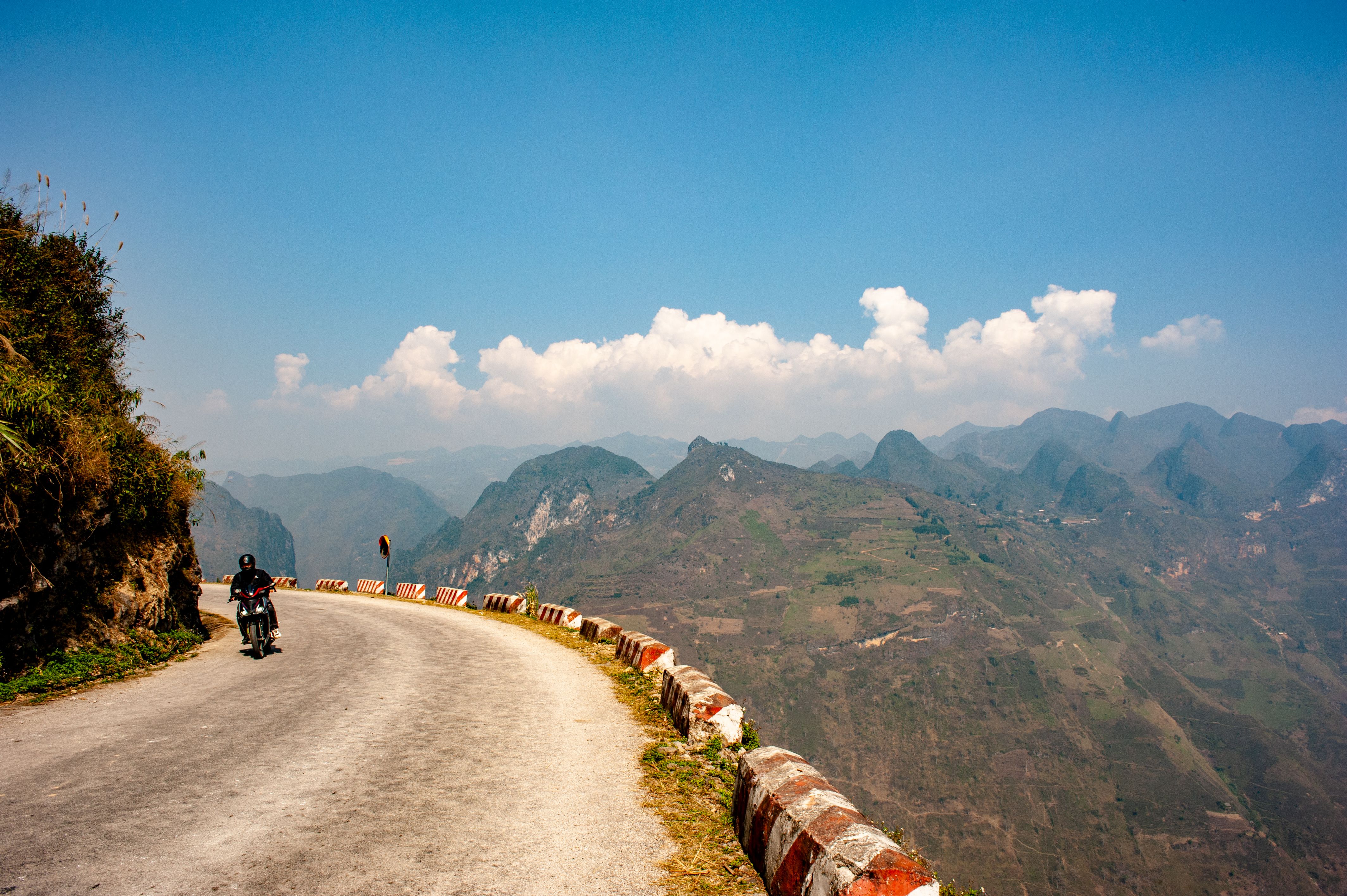
Day 4: Dong Van to Meo Vac (30km) This is the highlight of the trip: the Ma Pi Leng Pass. The road hugs the cliffside above the Nho Que River. If you are on a budget, skip the boat tours and enjoy the view from the top.Source: pexels
Day 5: Meo Vac to Du Gia (75km) The road to Du Gia is rough but beautiful. This village is famous for its waterfall and authentic, less-commercialized homestays.
Day 6: Du Gia back to Ha Giang City (75km) Complete the loop. Return your motorbike and take the evening bus back to Hanoi or head west toward Sapa.
Day 7: Buffer Day / Return to Hanoi Use this day for unexpected delays (weather or mechanical issues) or to explore the local markets in Ha Giang City before heading back.
Final Budget Tips
To keep your trekking Northern Vietnam cost as low as possible, travel during the shoulder seasons (March–May or September–November). Prices for accommodation are stable, but you have more leverage to negotiate motorbike rental rates for longer durations.
Remember, the goal of visiting these villages is to disconnect from the modern rush. By following these Northern Vietnam village travel tips, you can focus on the scenery and the people rather than worrying about logistics.
Once you have your gear packed and your visa in hand, the next step is to map out your specific stops. Dive into our comprehensive breakdown of the best-hidden locations in our full guide to the hidden villages of Northern Vietnam to finalize your route.


Comments
Post a Comment